Underground Waterproofing
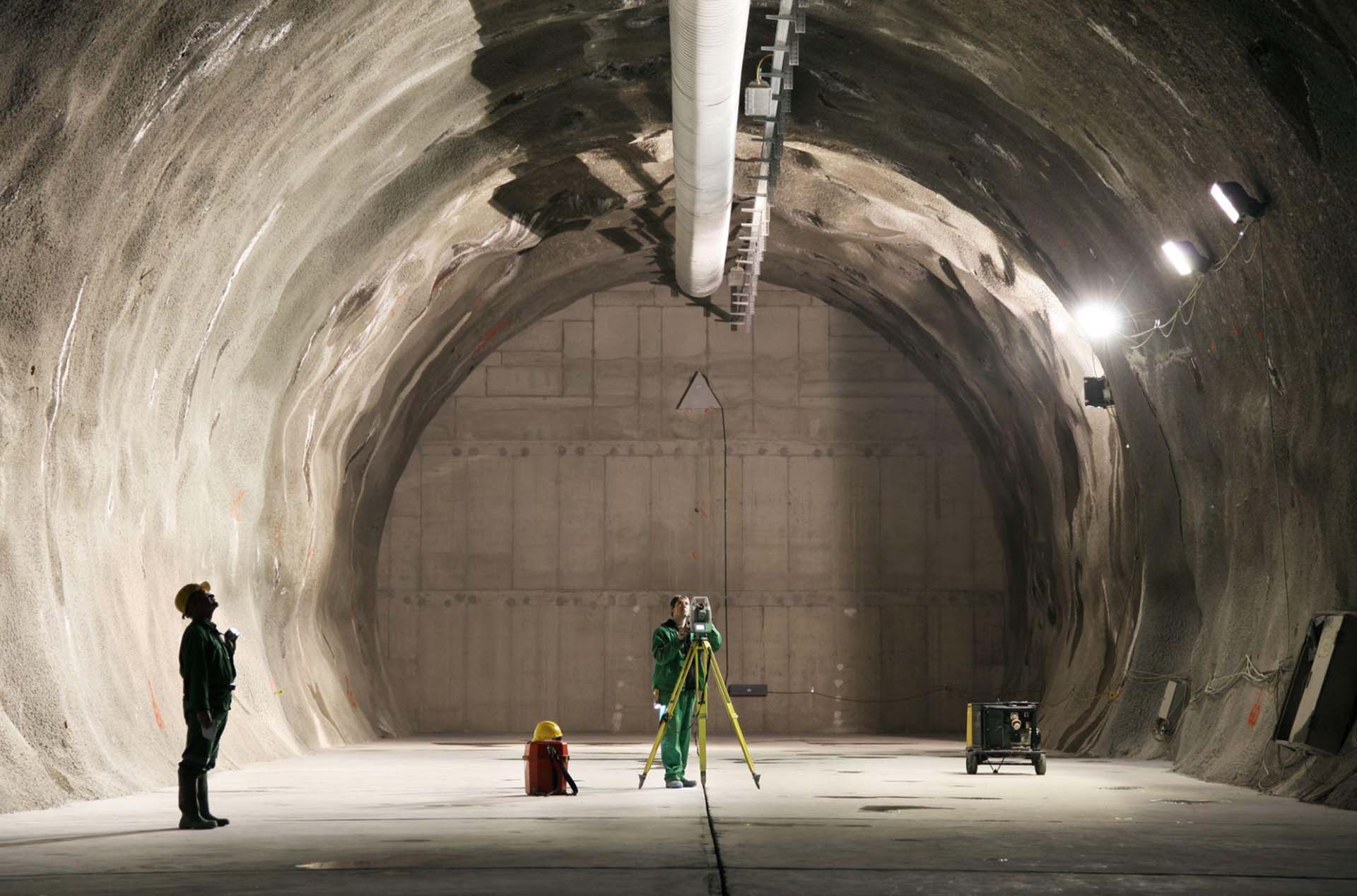
Underground waterproofing products are materials used to prevent water from penetrating below ground level in structures such as basements, foundations, and tunnels. These products typically include liquid-applied membrane, sheet membranes, and drainage systems.
Liquid-applied Membranes are coating products that are applied to the surface of concrete or masonry to create a waterproof barrier. These coatings can be cementitious, bitumen modified, polyurethance modified, or polurea-based, and are applied in multiple layers for optimal protection by either sparying or roller coat.
Membranes are sheets of material that are laid over the surface of the foundation or basement walls to provide a waterproof layer. There are various types of membranes, including bituminous, EVA, HDPE, TPO, and PVC, which are chosen depending on the specific application and level of protection required.
Overall, underground waterproofing products are essential for preventing water damage and maintaining the structural integrity of below-ground structures.
Our Underground Waterproofing Product range :
- SmartRoof HDPE Membrane
- SmartSeal BUR Primer
- SmartSeal BUM Membrane
- SmartSeal Swell 1
- SmartSeal Swell P
- SmartSeal EVA
- SmartSeal TPO
- SmartSeal Swell S1
- SmartSeal Swell Profile

Roofing
Roofing products are materials suitable used for roofing. These products also include Polyurethane, TPO, and PVC Sheets, which are chosen depending on the specific application, cost and level of protection required.
Roofing membranes are used for flat roofs and are made of materials such as above. They are installed in large area to create a waterproof barrier.
Overall, roofing products are essential for protecting a building’s interior from water damage and maintaining the structural integrity of the roof.
Our Roofing Product range :
- SmartSeal PUR M
- SmartSeal PUR SL
- SmartSeal PVC Membrane
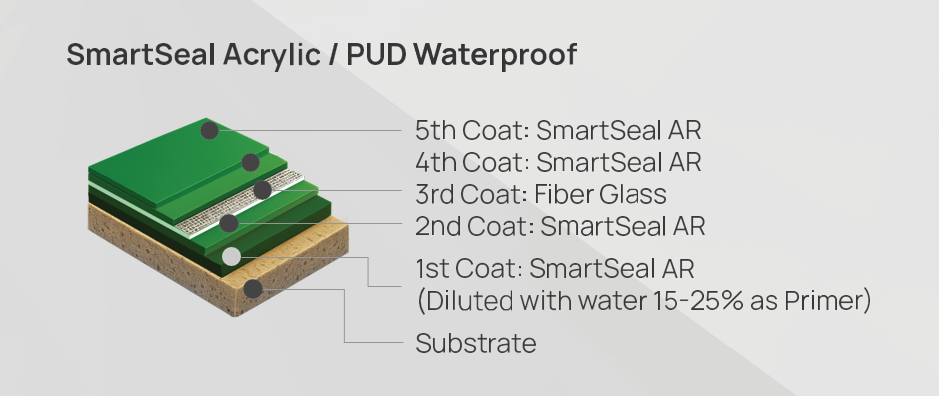
- SmartSeal ACR
- SmartSeal PUD
- SmartSeal Tapes
Concrete Works
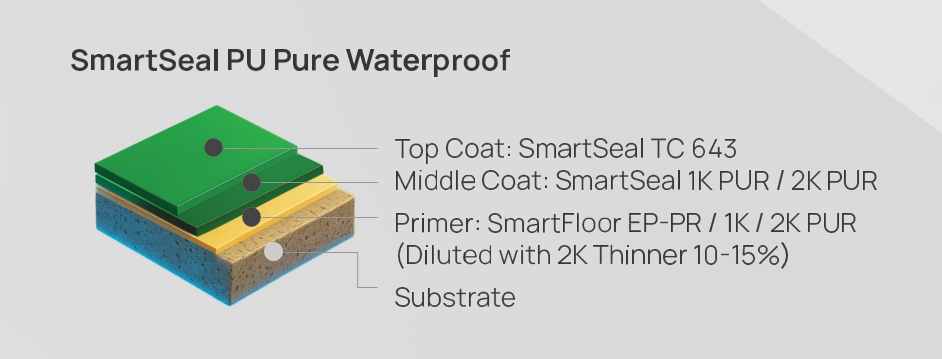
Concrete works products are auxiliaries materials used in new or repairing concrete structures. These products include latex, form-oil, curing compounds, and bond breakers.
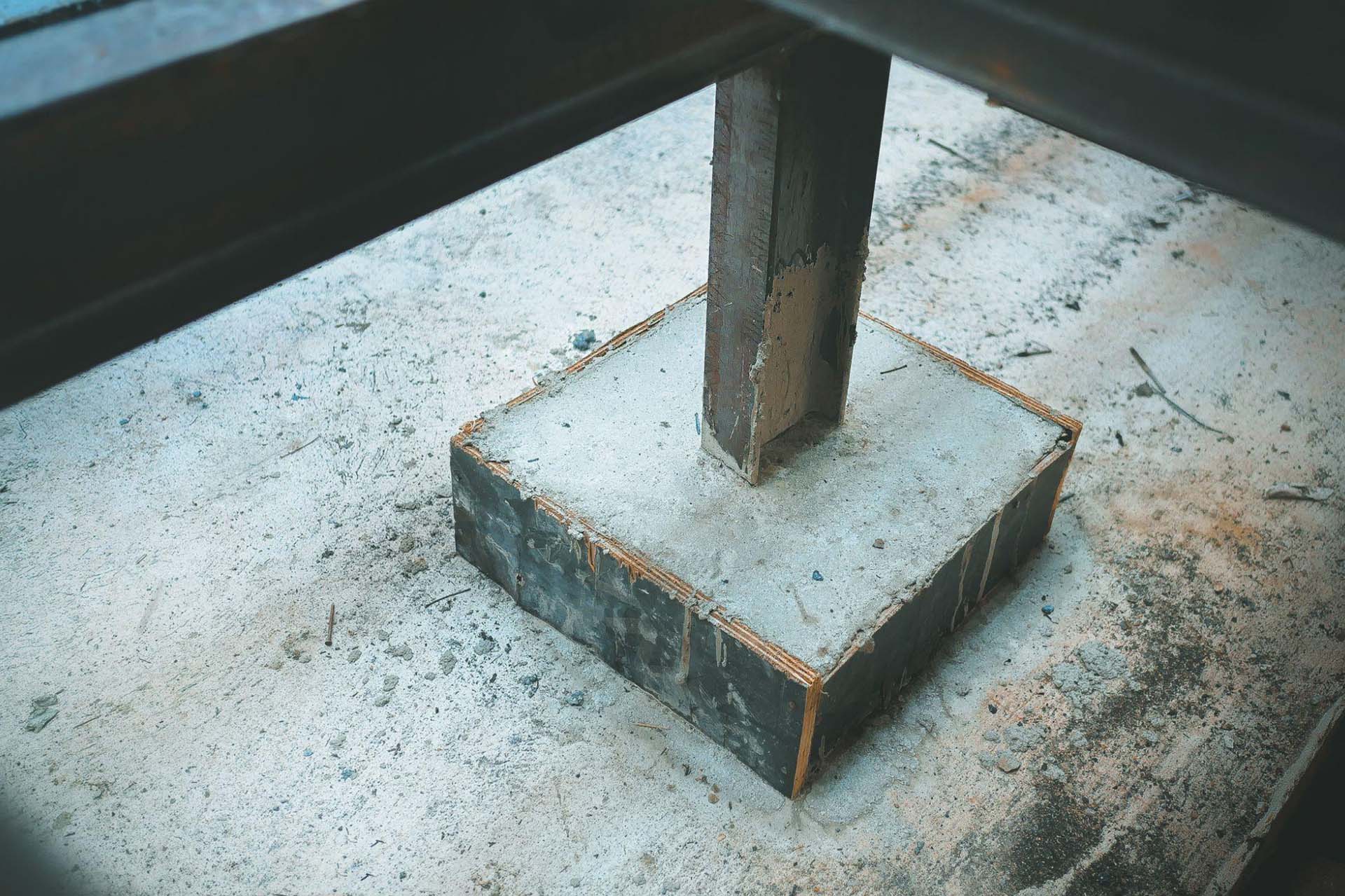
Curing compounds are used to prevent the concrete from drying out too quickly, which can lead to cracking and other damage. These compounds form a barrier on the surface of the concrete to retain moisture and allow it to cure properly.
Overall, concrete works products are essential for constructing durable and long-lasting concrete structures. The selection of the appropriate materials depends on the specific application and conditions of the project.
Our Concrete Works Product range :
- SmartKure 912
- SmartKure 913
- SmartFormOil 910
- SmartFormOil 911
- SmartBond Breaker
Concrete Admixtures
UHPC – Ultra High Performance Concrete
Ultra-High-Performance Concrete (UHPC) is an advanced type of concrete known for its superior strength, durability, and resilience compared to traditional concrete.
UHPC is used in a variety of applications where high performance is essential, such as in bridges, architectural elements, and critical infrastructure components.
Key characteristics of UHPC include:
- High Compressive Strength
UHPC typically has a compressive strength exceeding 150 MPa (21,750 psi), significantly higher than conventional concrete. - Enhanced Durability
Due to its dense microstructure and low permeability, UHPC is highly resistant to environmental degradation, chemical attack, and abrasion. - Superior Flexural Strength
It offers excellent tensile and flexural strength, often incorporating steel fibers to improve its ductility and toughness. - Self-Consolidating
UHPC can flow easily into molds without vibration, improving finish quality. - Reduced Maintenance
Lower lifecycle maintenance costs due to durability.
LHC-Low-Heat Concrete Mix Design
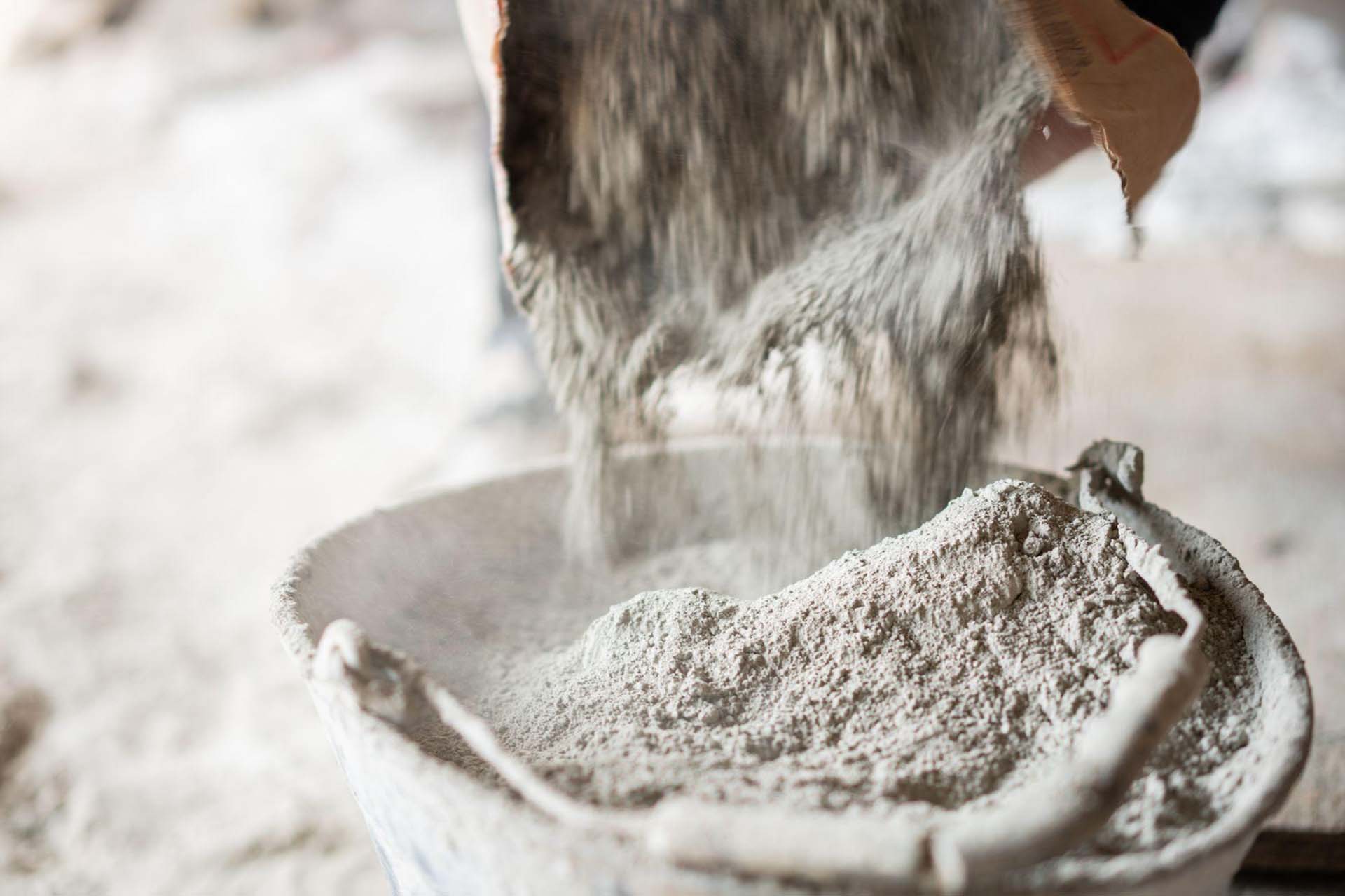
Low-Heat Concrete is aimed at minimizing the heat generated during the hydration process, which is crucial in large pours to prevent thermal cracking and ensure structural integrity.
Here’s a general outline for designing a Low-heat concrete mix:
- Cement Type:
Use low heat cement (Type IV) or blended cements with fly ash, slag, or silica fume. Water-Cement Ratio: Keep it low to reduce heat generation, typically around 0.4 to 0.5. - Water-Cement Ratio:
Keep it low to reduce heat generation, typically around 0.4 to 0.5. - Aggregates:
Use well-graded aggregates to reduce the cement content. Larger aggregate sizes help in reducing the heat. - Admixtures:
Include admixtures like superplasticizers to reduce the water content without compromising workability, and retarders to slow down the hydration process. - Temperature Control:
Use chilled water, ice, or liquid nitrogen, and consider cooling pipes embedded in the concrete for temperature control during curing.
SCC – Self-Compacting Concrete
Self-Compacting Concrete (SCC) is a highly flowable type of concrete that can spread into place, fill the formwork, and encapsulate the reinforcement without the need for mechanical vibration.
Its high fluidity and resistance to segregation make it ideal for complex structures with intricate formwork or congested reinforcement.
Here are some key characteristics and benefits of SCC:
- High Flowability Flow under its own weight, completely fill formwork, ensure uniformity, and eliminate voids.
- Resistance to Segregation Despite its high fluidity, SCC maintains a homogeneous composition throughout the pour, preventing the segregation of aggregates.
- Smooth Surface Finish The high fluidity and absence of vibration produce a smooth surface finish, reducing the need for surface repairs.
- Reduced Labor The self-consolidating nature of SCC eliminates the need for mechanical vibration, reducing labor costs and construction time.
- Improved Durability The uniform density and reduced risk of voids enhance the durability and longevity of the concrete structure.
SCC-Self-Compacting Concrete is used in various applications, including:
- Complex Formwork Ideal for structures with intricate shapes and tight spaces.
- Dense Reinforcement Suitable for heavily reinforced sections where traditional vibration is challenging.
- Architectural Elements Provides superior surface finishes for exposed concrete.
- Precast Concrete Enhances productivity and quality in precast manufacturing.
Industrial Floor
SmartFloor : EPOXY System
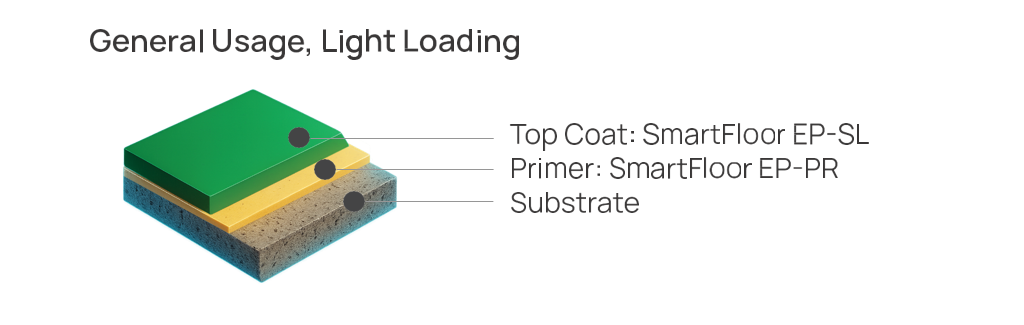
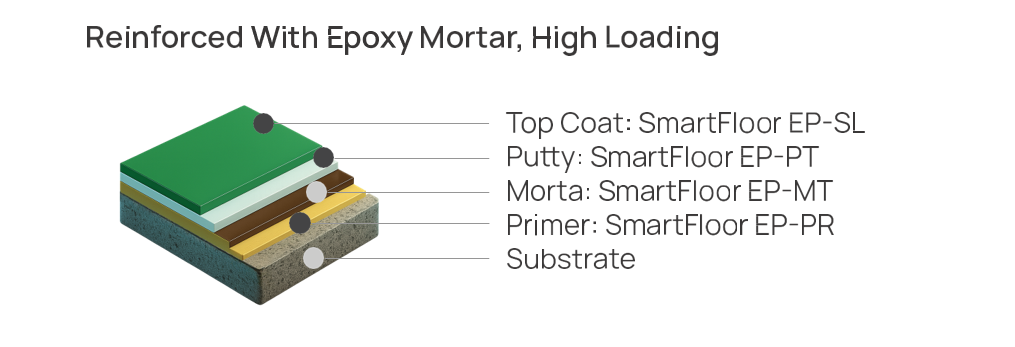
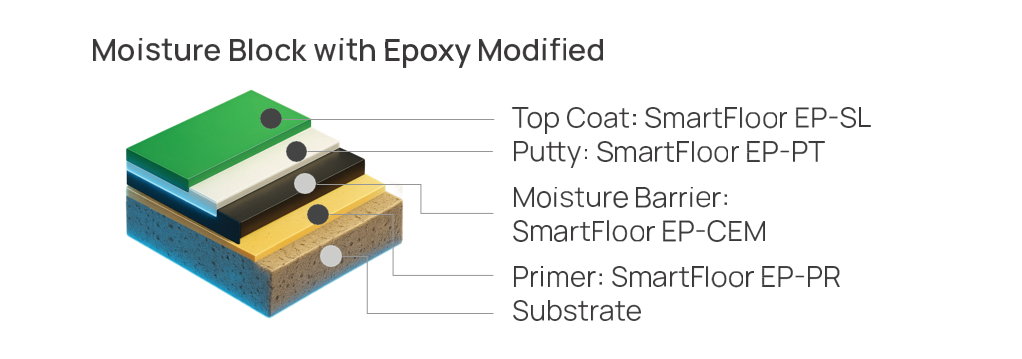
Our Epoxy Flooring systems are engineered for environments that demand excellence. Using a multi-layered application process-including diamond-grind surface prep, moisture-mitigating primers,and UV-stable topcoats-we deliver a floor that stands up to the most rigorous ASTM standards.Perfect for pharmaceutical plants, commercial kitchens, retail showrooms, and residential upgrades, our systems provide a hygienic, dust-free environment with a professional aesthetic.
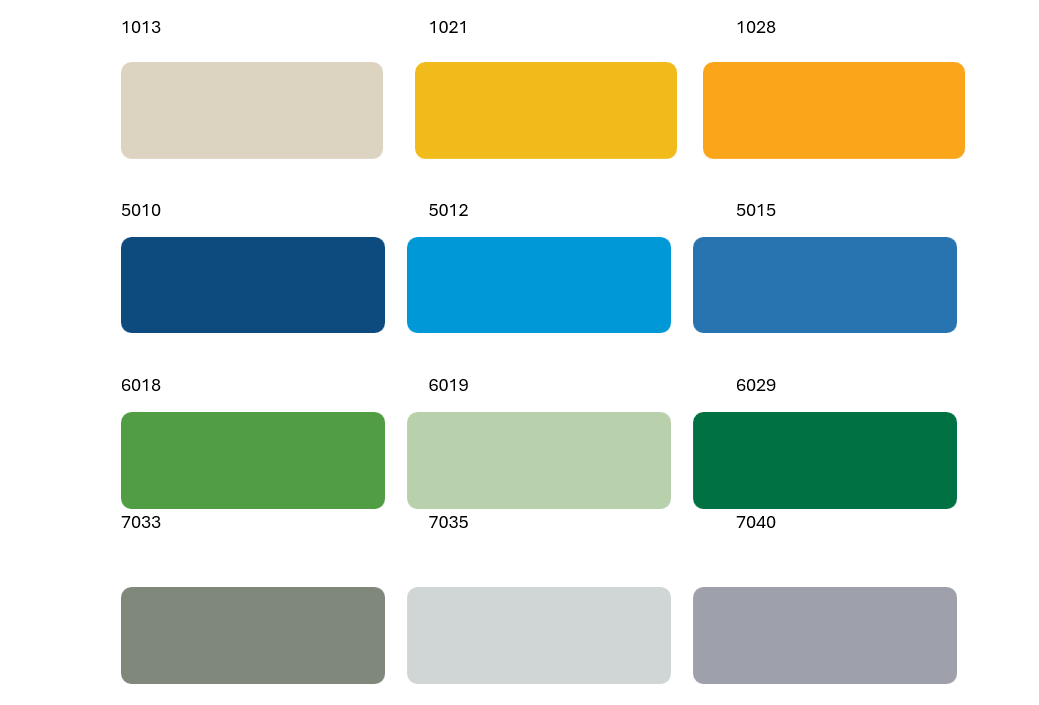
Epoxy Self-Leveling system

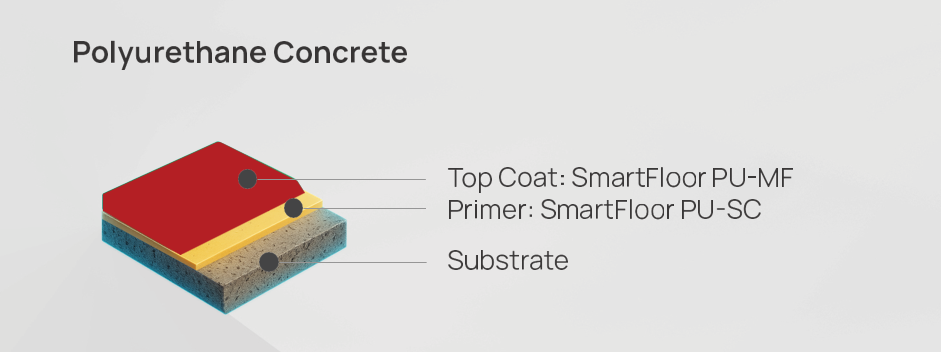
SmartFloor : PU Concrete + PU Coating
Our PU flooring is a high-performance, resinous system specifically engineered for “active” environments. By maintaining a lower elastic modulus than epoxy, it bridges minor substrate cracks and accommodates thermal expansion without delaminating. Available in multi-layer builds and PU-cement hybrids, these systems offer superior resistance to organic acids and harsh sanitizers,making them the gold standard for the food, beverage, and pharmaceutical industries.